How to Cope with
the Stress of Divorce
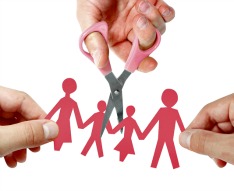
Coping with the stress of divorce is one of the most difficult life transitions that people experience. Divorce produces a major disruption and restructuring of your day-to-day living arrangements, as well as the loss of a significant relationship and the need to establish a new identity as an individual. It is easy to become overwhelmed, stressed, depressed and angry with all of the emotions that pour into your divorce situation. Through all of the turmoil, remember that no matter what happens or what is said, you still have value, and you are important.
There are three areas on which to focus to manage the stress of divorce and make a positive start to the rest of your life. It is important to learn how to effectively handle change as you deal with the stress of a life transition.
Establish your new identity that is not tied to the former spouse.
|
In a divorce situation, you are embarking on a new chapter in your life. Take a look at The Smart Divorce: Proven Strategies and Valuable Advice. This book can provide great assistance for you as it also provides answers to many of your questions regarding divorce. |
 
The Smart Divorce: Proven Strategies and Valuable Advice from 100 Top Divorce Lawyers, Financial Advisers, Counselors, and Other Experts
|
Also at this time, reconnect with your values, interests, personality traits and skill sets. This chapter needs a name—what is the theme of this part of your life going to be? Divorce affects your identity because you are no longer occupying the role of wife. At the same time, consider the changes in your role as mother, professional and possibly caretaker.
In order to make a healthy crafting of your new identity, take the time to re-assess. Write down your answers to these two questions. The questions: “Who am I,” and “What do I want to do with my life?” Be objective in defining the answers. Share your perspectives with other people whom you trust and respect to receive helpful feedback.
At this transition time in your life, including the stress of divorce, solid planning with straightforward honest advice will be foundational for a well designed and productive future.
Establish a support network for both your role as a single person and your role as a single parent.
You may not feel like being social when you are dealing with the emotional strains and stress of divorce. However making the effort and taking the time to build some close relationships with people who make you feel important and appreciated will provide rewards in the long-run. Going through a divorce can tear down even the strongest self-esteem.
Feelings of failure and depression need to be replaced with feelings of optimism and enthusiasm. Sharing with a strong support network will help keep the negative stress, anxiety and depression emotions more in check and less likely to cloud your efforts to think clearly about making positive decisions for your future.
Establish a future-oriented life plan.
This is the time to take charge of your life and reduce the stress that can be associated with the perception of having lost control. Self-care is essential when going through any type of stressful situation, and dealing with a divorce is one of the most difficult events to occur in an adult’s life. Things to consider when establishing your future plans:
- Have I built ways to relax and reduce my levels of stress?
- Have I established good time management skills so that I am not taking on more than I can handle and have time to recharge my batteries at the end of the day?
- Have I established healthy eating habits?
- Have I reconfigured the household management chores that were formerly shared by two adults so that I am not overwhelmed?
- Have I talked with a financial advisor so that my financial arrangements have been reworked to limit my stress levels?
Life in transition can be very stressful, and providing solid, healthy self-care strategies will help keep you as emotionally well-balanced as possible—even during the stress of divorce. Healthy self-care habits also act as a tangible reminder that you are important and that you matter. Self-esteem is one of the major characteristics that you can protect by taking time to take care of yourself, creating a solid support network and designing future plans based on your own strengths, interests, and values.
Self Esteem and Stress Management
Helpful Resource for Life Transitions





Join Calm Starts Here, and receive FREE How to Get a Good Night's Rest and Stop Worrying.
Book Store


Share this Page on SheToldMe.com


Become a FaceBook Fan


