Are You Experiencing the Symptoms of Caregiver Stress?
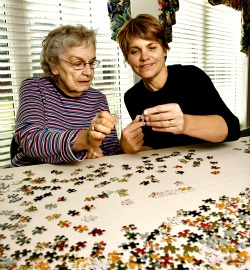
Many caregivers enjoy their work, but beware of increasing levels of caregiver stress. You might decide to take care of elderly parents rather than have them living in a nursing home or you might find that financial circumstances dictate these circumstances. In our current society, family caregivers are becoming increasingly common. The many 24/7 physical and emotional demands of caring for an older family member can produce negative consequences.
Examples of Caregiver Stress
The symptoms of stress can be subtle and difficult to detect. When dealing with continuous stressful care taking situations, you can become accustomed to the physical and emotional strains and ignore warning signs that indicate the potential serious trouble looming ahead. The following symptoms are common emotions that can lead to increased levels of caregiver stress. For instance, you may feel:
- Angry. Feeling anger can be a normal response to the many frustrations of care giving. It can be difficult to work continually with someone who has dementia and can not express their appreciation for your efforts and whose health can not improve.
- Guilty. Sometimes you may feel guilty because, in your mind, you think that somehow you should be able to do more or provide better care, even though you have many other responsibilities. You may feel guilty because you have the necessity of asking for outside help who may appear as "strangers" to your loved one.
- Loneliness. Unfortunately isolation can be one of the consequences of spending so much time as a caregiver. You find yourself spending all of your time taking care of someone and have little time for your own social enrichment.
- Embarrassment. Although you love the person for whom you are care taking, it can seem embarrassing when behavioral changes occur due to declining health. In your mind, the world is judging you and your loved one for the behavior.
- Exhaustion. The constant care taking takes all of you physical and mental energy and leaves you exhausted by the time you are ready for bed.
- Health Problems. Many times caregivers focus solely on the health of the loved one. Do not neglect your own health and take note of any changes that may occur. Headaches, body aches, or other physical problems should be addressed.
- Anxiety. Watch yourself to notice if you start feeling constantly worried. You may be assuming great amounts of responsibility by trying to keep schedules and tasks completed that you start to feel as if something is going to go wrong at any minute.
- Depression. Depression is an common side effect. The illness is very treatable but the constant sadness, or significant changes in eating patterns and weight, changing sleep patterns and possible abuse of alcohol or drugs can be indications of depression. Left untreated the conditions become worse.
Three quarters of the people experiencing caregiver stress are women. Caregiver stress can be caused by emotional concerns, physical tolls on the body, and financial worries. Make arrangements to consult with a social worker, counselor, or other mental health agency immediately if you believe that your stress might cause you to hurt the person for whom you are caring.
Dealing with Stress in Midlife




Reader Favourite!

Effective Stress Management Listen to Your Body


Join Calm Starts Here, and receive FREE How to Get a Good Night's Rest and Stop Worrying.
Book Store


This Is Not the Career I Ordered: Empowering Strategies from Women Who Recharged, Reignited, and Reinvented Their Careers


101 Great Ways to Enhance Your Career
Share this Page on SheToldMe.com


Become a FaceBook Fan


