What Is A Definition of Stress?
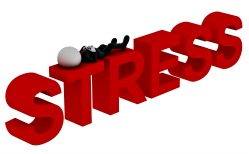
A clear definition of stress varies depending on the individual. A situation that brings anxiety or fear for one person may have little effect on someone else--or it may even provide enjoyment. For example, some people find public speaking engaging, while some people find public speaking frightening. Another example, some people love to swim, while some people are afraid of the water. And many students become nervous before a school exam.
These reactions are not unusual. However, people who have trouble with stress find it difficult when their daily demands become greater than their coping skills. Learning how to cope with stress successfully varies with each individual's unique personality.
Your response to stress can be physical, mental, or emotional. Everyone has different levels of coping skills when reacting to adversity. What causes you to feel overwhelmed? Can you identify what situations trigger you to feel that you are at your limit. The first step in conquering your stress triggers is to identify them.
There are Different Types of Stressors
When considering your own unique definition of stress you should look at all the current factors that might be impacting your life:
- Family related divorce, death of family member or close friend, family members fighting, adolescent problems.
- Environmental related neighbourhood issues, unsafe neighbourhood, landlord issues, weather related issues, natural disasters, poverty.
- Occupational related hostile work environment, changing shift work, lack of employment skills, work load and time issues.
- Financial related credit problems, bankruptcy, poverty, lack of employment.
- Health related health problems, health care service issues, lack of transportation for services.
- Legal related litigation, arrest, victim of a crime, custody battles, incarceration.
 
Why Zebras Don't Get Ulcers, Third Edition
| To learn how your body responds to your definition of stress and the impact that it can have on your health, add a copy of this book, Why Zebras Don't Get Ulcers, to your bookshelf. Dr. Sapolsky combines his medical research with humor and practical advice to focus on the links between stress and increased risks of certain types of diseases. Written for the nonscientific mind, he keeps his information interesting, relevant and readable. A great reference guide to assist with the stressors that keep you up at night. |

This is how our Magnum, dealt with her stress.
She practices her own relaxation techniques!
A certain degree of stress is a normal part of living. When you get to a point where you feel that you can not cope, our bodies send signals, or symptoms, that warn about too much overload. If this continues for prolonged periods, you risk such difficulties as depression, irritable bowel syndrome, anxiety, high blood pressure and heart disease or skin problems. Identify what is causing stress and begin to gain control of your life.
Signals that Stress is Becoming Overwhelming



Join Calm Starts Here, and receive FREE How to Get a Good Night's Rest and Stop Worrying.


Share this Page on SheToldMe.com


Become a FaceBook Fan


