Cyberbullying
How Parents Can Help

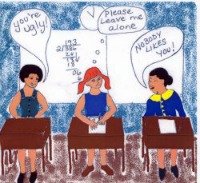
Being the object of bullying and peer pressure is never fun. But now cyberbullying is an anonymous way of taunting on the internet. The activity is vicious and dangerous. Victims can be so overcome by the horrific messages being spread on the internet that they find no recourse but removing themselves from the situation--even if it means committing suicide.
This generation has never know a world without smart phones, internet, Twitter, and Facebook. There are many advantages to these electronic features, but they also come with reminders that the web can be hurtful and destructive. Hurtful online posts or inappropriate digital photos can be destructive.
Cyberbullying messages can be sent from phones or computers and are purposely meant to be hurtful by providing information that is embarrassing or humiliating. These documents can stay on the internet forever and can provide long term problems when college admissions officers or future employers start to look at an individual's online reputation. And this is becoming a widespread activity with approximately 40% of our teenage population reporting that they have been a victim or promoted bullying online.

What Parents Can Do
If you find that your child is anxious about bullying and talks about hurtful messages and cyberbullying or if you suspect that this might be happening, here are things you can do.
- Maintain open, honest communication with your child so that she will feel comfortable in talking with you about such issues as cyberbullying if they arise. Mood changes could be a sign that something is wrong.
- Keep track of what your child is doing online. Be aware of your child's usernames and passwords to her different internet accounts. Monitor her use of the social media sites. If she knows that you will be monitoring her activities she may be more careful about what she is posting and reading online. Secretive use of the computer may signal something is wrong.
- Use Social Mention.com to create an account and receive daily alerts indicating that your child's name has been mentioned in an online post.
- All social media sites have privacy settings that you can monitor behavior and if you have a complaint, contact the webmaster.
- You can contact the parents of the person who made the offending post and ask that it be removed.
- Contact the police if necessary. Take a screen shot or photocopy the information so that you have clear documentation. Definitive proof is required to defend your complaints and take any punitive actions.
Additional Resources for Child Safety
LoveOurChildren.orgWiredSafety.com
SafetyNet
Boston Cyber Safety Campaign
How to Handle Teenage Stress Overload




Important Article for Parents to Read


Join Calm Starts Here, and receive FREE How to Get a Good Night's Rest and Stop Worrying.
CD Store

 Indigo Dreams: Relaxation and Stress Management Bedtime Stories for Children, Improve Sleep, Manage Stress and Anxiety (Indigo D

 Indigo Dreams: Adult Relaxation-Guided Meditation/Relaxation Techniques decrease anxiety, stress, anger
Share this Page on SheToldMe.com


Become a FaceBook Fan


