Women and Depression
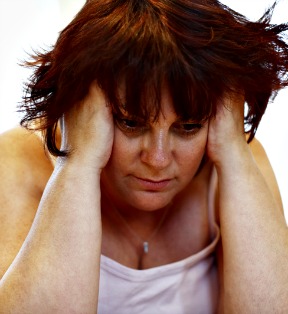
Women and depression is a topic that has received a great amount of comments at this website. We have written about understanding depression, including descriptions, causes and remedies for the different types of depression; but women want to know more about their gender-specific concerns. Here is some helpful information we can offer.
Major depression affects twice as many women as men. This two-to-one ratio exists regardless of racial and ethnic background or economic status. The same ratio has been reported in eleven other countries all over the world. The reason for the higher incidents of women and depression is unknown, but changes in a woman’s hormone levels may be the culprit. Before adolescence, the percentage of individuals experiencing depression is virtually the same. The female's risk of experiencing depression increases significantly to twice that of males with the onset of puberty.
Women Experience Depression Differently Than Men
Medical experts are researching the relationship between hormone level changes with the impact of depression on women. They have found the following information about women and depression.
- Hormone changes are evident during puberty, pregnancy, menopause, after giving birth, and having a hysterectomy.
- Hormones fluctuate with each month's menstrual cycle and can cause premenstrual syndrome, or PMS, or premenstrual dysphoric disorder, or PMDD -- marked by depression, anxiety, cyclical mood shifts, and lethargy.
- Many women are particularly vulnerable to depression after giving birth, when hormonal and physical changes and the new responsibility of caring for a newborn can be overwhelming.
- Hormonal changes increase during the transition into menopause. While some women may transition into menopause without any problems with mood, others experience an increased risk for depression.
Depression among women can coexist with eating disorders such as anorexia nervosa, bulimia nervosa, anxiety disorders, obsessive-compulsive disorder, panic disorder, and social phobias. Depression also often coexists with other serious medical illnesses and may even make symptoms of the illness worse.
What Is a Woman To Do?
Depression in women may occur earlier in life, last longer, be more likely to reoccur, be more likely to be associated with stressful life events, and be more sensitive to seasonal changes. Take the following steps to curb the effects of depression:
- Network. Take time to socialize and stay connected with friends and family. Enjoy company and keep the loneliness away.
- Relaxation techniques for 10 minutes a day, you can boost the positive chemicals produced by the brain and stave off some of the effects of depression.
- Pray.
- Eat a nutritious diet. Try to maintain a more balanced diet of protein, fruits, vegetables and complex carbohydrates. Drink lots of water to flush out toxins from your body.
- Get moving. Regular exercise—even 10 minutes a day, can be an effective remedy by increasing energy levels and decreasing feelings of fatigue.
- Seek emotional support from a professional counselor if stress becomes extreme.
The Physical Effects of Stress
Understanding Women and Depression




Reader Favourite!

Effective Stress Management Listen to Your Body
Join Calm Starts Here, and receive FREE How to Get a Good Night's Rest and Stop Worrying.


Share this Page on SheToldMe.com


Become a FaceBook Fan


